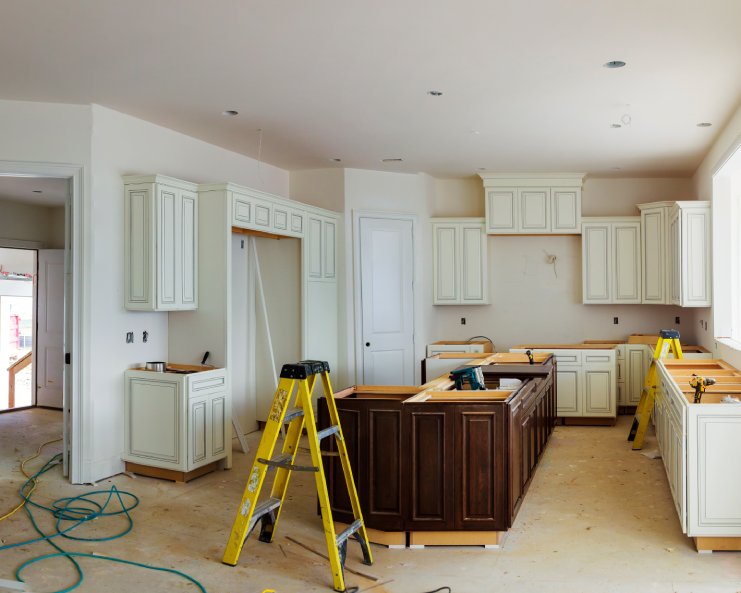
Your kitchen feels outdated, cramped, or simply doesn’t work for your lifestyle anymore. You know it’s time for a change, but where do you start? Kitchen redesigns can feel overwhelming, especially when you’re staring at cabinets, countertops, and appliances wondering what stays and what goes.
The key to a successful kitchen redesign lies in making strategic decisions about what to change. Rather than gutting everything or making random updates, you need a clear plan that addresses your specific needs and maximizes your investment. This guide will walk you through the essential steps on how to decide what to change and help you prioritize the things that deliver the biggest impact.
By the end of this post, you’ll have a clear roadmap for your kitchen redesign project and the confidence to make smart decisions about where to spend your time and money.
Start With Your Kitchen’s Biggest Problems
Before you get excited about new finishes and trendy features, take an honest look at what’s not working in your current space. Walk through your kitchen during different times of day and pay attention to the frustrations you experience.
Common problems include:
- Insufficient storage
- Poor lighting
- Outdated appliances
- Cramped workspace
- Awkward traffic flow
Make a list of these pain points and rank them by how much they affect your daily life. The issues that cause the most frustration should become your top priorities for change. This problem-focused approach ensures your redesign actually improves how your kitchen functions rather than just how it looks.
Evaluate Your Kitchen’s Layout and Flow
The layout forms the backbone of your kitchen’s functionality. If your current layout creates bottlenecks or forces you to walk long distances between key work areas, you might need structural changes.
The Kitchen Work Triangle
Assess the relationship between your sink, stove, and refrigerator. These three zones should form an efficient triangle that allows you to move smoothly between tasks. If your triangle feels broken—maybe the refrigerator sits too far from the prep area, or you have to walk around an island every time you need the sink—layout changes could dramatically improve your experience.
Traffic Patterns
Watch how people move through your kitchen, especially during busy times. Do family members create traffic jams when multiple people use the space? Can someone easily access the refrigerator while you’re cooking at the stove? Poor traffic flow often signals the need for layout adjustments.
Storage Accessibility
Notice whether you can easily reach frequently used items. If you’re constantly stretching for dishes in high cabinets or digging through deep drawers to find basic tools, your storage system needs attention.
Assess What’s Worth Keeping
Not everything in your kitchen needs to change. High-quality elements that still function well and suit your style can stay, saving you money for updates that matter more.
Structural Elements
The role of cabinetry in modern kitchen design should improve everyday comfort. But that doesn’t mean you have to gut everything. Solid wood cabinets with good bones might just need new doors, hardware, or a fresh coat of paint rather than complete replacement. However, particle board cabinets that are falling apart definitely need to go.
Check whether your current layout maximizes your space efficiently. Sometimes you can achieve dramatic improvements by simply reconfiguring existing cabinets or removing a wall to open up the space.
Appliances and Fixtures
Evaluate each appliance’s performance and age. A five-year-old dishwasher that works perfectly doesn’t need replacement, even if it’s not the latest model. However, an ancient oven that heats unevenly or a refrigerator that struggles to maintain temperature should top your replacement list.
Consider whether your current appliances meet your cooking needs. If you rarely bake, that double oven might be overkill. If you love entertaining, a small dishwasher could be holding you back.
Consider Your Lifestyle and Cooking Habits
Your kitchen should reflect how you actually live, not how you think you should live. Be realistic about your cooking habits, entertaining style, and daily routines.
Cooking Style
Frequent home cooks need different features than occasional cooks. If you prepare elaborate meals regularly, invest in professional-grade appliances, ample prep space, and specialized storage for cookware. If you mostly reheat leftovers and make simple meals, focus on convenience features and easy maintenance.
Family Dynamics
Families with young children need durable, easy-to-clean surfaces and safety features. Empty nesters, on the other hand, might prioritize sophisticated finishes and entertaining spaces. Consider whether your kitchen needs to accommodate homework time, casual dining, or large gatherings.
Storage Needs
Take inventory of what you store in your kitchen. Do you have extensive dish collections, small appliances, or bulk food storage needs? Your redesign should accommodate your actual belongings, not force you to change your habits.
Set a Realistic Budget and Timeline
Your budget will significantly influence which changes make sense for your situation. Establish your total budget first, then allocate funds based on your priority list.
High-Impact Changes
There are three key high-impact changes to think about.
- Cabinet refacing or painting offers dramatic visual impact at a fraction of the cost of replacement.
- New countertops can transform your kitchen’s appearance and functionality.
- Updated lighting improves both the look and usability of your space.
Major Investments
Full cabinet replacement, layout changes that require moving plumbing or electrical, and high-end appliances represent major investments. Make sure these changes address significant problems rather than cosmetic preferences.
Phased Approach
Consider tackling your redesign in phases if budget constraints limit your options. You might update cabinets and countertops this year, then replace appliances next year. This approach lets you spread costs over time while still making meaningful improvements.
Make Smart Decisions for Your Space
Your kitchen redesign should solve real problems while creating a space you love using every day. Focus on changes that improve functionality first, then layer in aesthetic updates that reflect your personal style.
Start by addressing your biggest pain points, evaluate what’s worth keeping, and make decisions based on your actual lifestyle rather than design trends. With careful planning and realistic expectations, you can create a kitchen that works beautifully for years to come.
Take time to research options, get multiple quotes for major work, and don’t rush important decisions. Your kitchen redesign represents a significant investment in your home and daily life—make choices that you’ll appreciate long after the renovation dust settles.