Home renovations are the perfect opportunity to enhance your space while making thoughtful, eco-friendly choices. By learning how to repurpose materials for your renovation project, you can reduce costs, minimize waste, and add charm to your designs. Let’s explore some practical ways to integrate reclaimed materials into different parts of your home.
Reasons To Use Repurposed Materials
Reusing materials for a home renovation is a smart, sustainable decision. Repurposed materials lower your carbon footprint and minimize landfill waste. Many salvaged items also offer better craftsmanship and character that you can’t find in mass-produced alternatives.
If you’re unsure where to begin, start with small changes and build from there. These updates can save you money too. Take time to choose the right materials for your home remodel by checking for structural integrity, researching how materials have aged, and learning how they’ll function in your updated space.
Unique Flooring
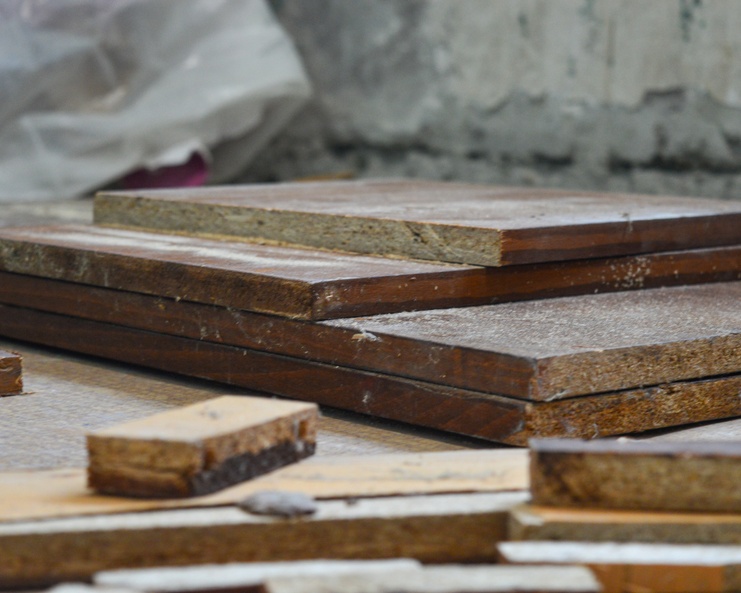
Flooring plays an important role in the overall look of any room, and it’s a fantastic place to incorporate repurposed materials. Reclaimed wood is a popular option, offering durability and character. Whether it’s salvaged from barns, homes, or factories, reclaimed wood tells a unique story.
Sanding and refinishing reclaimed wood refreshes it and makes it suitable for modern, rustic, or industrial designs. For a more sustainable option, consider tiles made from recycled ceramic or stone. These materials reduce waste while providing a sleek, polished finish for your floors.
Creative Accent Walls
Walls are the perfect canvas for creative reuse. One option is reclaimed bricks, which add texture and warmth while reducing demolition waste. Salvaged from old buildings, these bricks can be used as a feature wall.
If bricks aren’t your style, reclaimed wood can be used as wall paneling, presenting a cozy and rustic touch. This approach works particularly well for accent walls, bringing visual appeal and sustainability to your home.
Light Fixtures
Upgrading your light fixtures doesn’t mean you have to purchase new items. Salvaged light fixtures—such as vintage chandeliers, sconces, or pendant lights—can elevate your design while reducing environmental impact. Many home salvage stores and similar outlets offer unique, gently used pieces that can be restored with minimal effort.
Recycled Furniture
No renovation project is complete without updating your furniture. DIY renovation projects for updating furniture allow you to incorporate recycled materials, giving your decor a fresh, cohesive feel. For example, an old door could be transformed into a dining table, or weathered wood could be used to craft shelving. With some imagination, old or unused pieces can transform into practical and eye-catching additions.
Learning how to repurpose materials for your renovation project is a way to make eco-conscious choices while showcasing your creativity. By using reclaimed wood for flooring, eco-friendly lighting fixtures, or upcycled furniture, you’re enhancing your home’s aesthetic and minimizing your environmental impact.