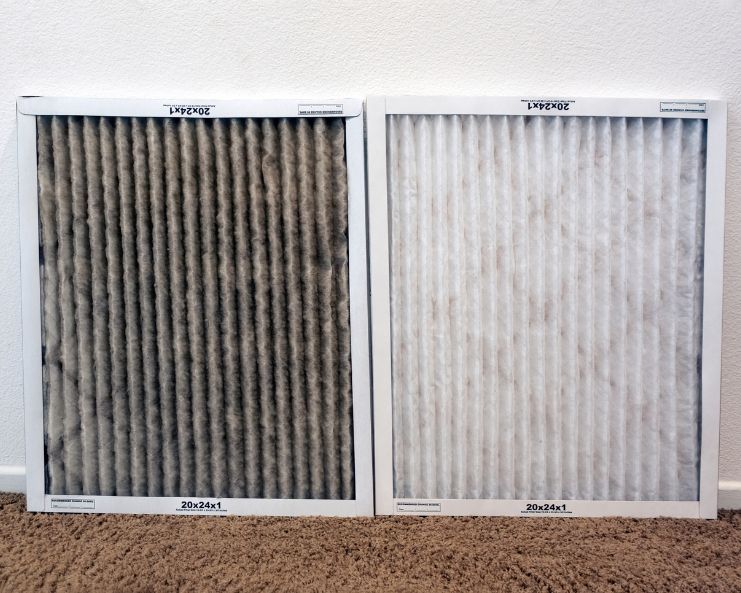
Keeping every nook and cranny of your house in top shape is important. But with many home maintenance tasks on your to-do list, you might often overlook changing the air filters in your HVAC system. Proper air filtration is key to keeping your indoor air breathable, extending the life of your HVAC equipment, and saving money on energy bills. Here is how to know when to replace the air filters in your HVAC so you can keep your home’s indoor air as fresh as the great outdoors.
Poor Air Quality
Poor air quality is one of the first signs that your air filters need changing. Excess dust, unusual odors, and even worsening allergy symptoms could indicate that your HVAC filter is no longer doing its job properly. That’s why regularly changing the air filters is a great HVAC troubleshooting tip to know. If you notice any of these signs, make sure you check your filter and change it if necessary.
Reduced Airflow
A clogged air filter can also reduce airflow in your HVAC system. This might make your rooms feel stuffy and less comfortable despite having the air conditioning or heating on. Furthermore, poor airflow can strain your HVAC system, eventually causing damage and inefficiencies. If you notice a weaker airflow from your vents, it could be time to change your air filters.
Higher Energy Bills
Another sign that your air filters might need replacing is an increase in your energy bills. Dirty air filters can cause your HVAC system to work harder, consuming more energy than usual. This results in higher utility costs, which is definitely one of the new homeowner mistakes you should avoid. Keep a close track of your energy consumption, and if you see a sudden spike, you’ll know it’s time to check those air filters.
Constant Noise From the HVAC System
If you start hearing odd noises from your HVAC system, it’s a good idea to check your air filters. These sounds may include buzzing, humming, or rattling, which often suggest that the system is working harder than it should due to clogged air filters. Changing the filters promptly can help reduce the strain on your HVAC system and avoid potential damage.
The Recommended Time Has Passed
Lastly, always take into account the manufacturer’s recommendations on how often to change your air filters. Typically, it ranges from 30 to 90 days, depending on the type of filter and your household conditions. If you have pets or those with allergies at home, you might need to change the filters more frequently.
As a homeowner, you know it’s crucial to maintain a comfortable and healthy living environment. Part of that responsibility is recognizing when to replace the air filters in your HVAC. Although the signs might not be obvious at first, regularly checking your filters and being proactive can save you time, energy, and money in the long run. Follow these tips to keep your HVAC system running smoothly!