As you’re preparing dinner or washing dishes, you may notice a puddle of water in front of your sink. Plumbing issues can occur anywhere in your home, but your kitchen pipes have a unique system that can create leaky issues. To mitigate water damage, find out the common causes of plumbing problems around your kitchen.
Worn-Out or Loose Faucet Components
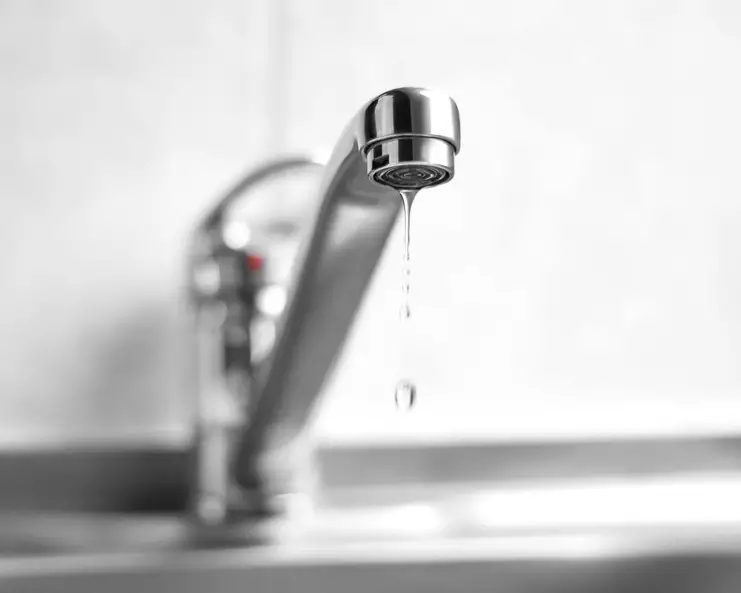
Dripping faucets are a clear sign that something’s wrong with your kitchen plumbing. Over time, washers, O-rings, and valve seats within your faucet degrade or loosen due to constant use. This can lead to water seeping out and possibly accumulating around your sink.
Replacing worn-out parts is often a quick fix you can handle yourself, but if the issue persists, it might be time to replace the faucet entirely. Call an expert for assistance to determine the condition of your faucet.
Damaged Sink Seals or Caulk
Leaks around your sink might result from cracks or gaps in the seal between the sink and the countertop. Carefully inspect the edges of your sink, and if you notice any cracks or gaps, apply a fresh layer of caulk to prevent water from escaping.
Cracked or Broken Pipes
Old or low-quality pipes are prone to cracking, especially if they frequently encounter fluctuating water pressure or temperature changes. Even tiny fractures can allow water to leak out and pool under your sink.
Plastic tube inserts are a common solution to this problem as they reinforce weak areas in your plumbing. Regular inspections can also help you catch these issues before they worsen. Contact a plumber to see if they provide these resources to resolve your plumbing issues.
Leaking Dishwasher Connections
Another common cause of leaks in your kitchen is your appliances. Your dishwasher, for instance, relies on a steady water supply and a drain hose, but loose or broken connections can create pools of water around the appliance. Tighten the hose and clamps to stop the water from seeping onto your floors.
Clogged Drains and Garbage Disposals
Blockages in your drains or garbage disposal can cause water to back up and leak from unexpected places. Food particles, grease, and debris frequently collect in kitchen drains, so be sure to regularly clean your drains and only use your garbage disposal for appropriate waste.
If you suspect a clog, unplug the garbage disposal before attempting to clear it manually or with a plunger. If the issue persists, call a professional to avoid further damage and determine if you’re dealing with a plumbing emergency.
If you’re unsure of the cause of your leaky pipes, schedule an appointment with a trusted professional. They can inspect the plumbing system and come equipped with tools to reduce the risk of damage. Resolve these problems quickly to keep your kitchen clean and safe.