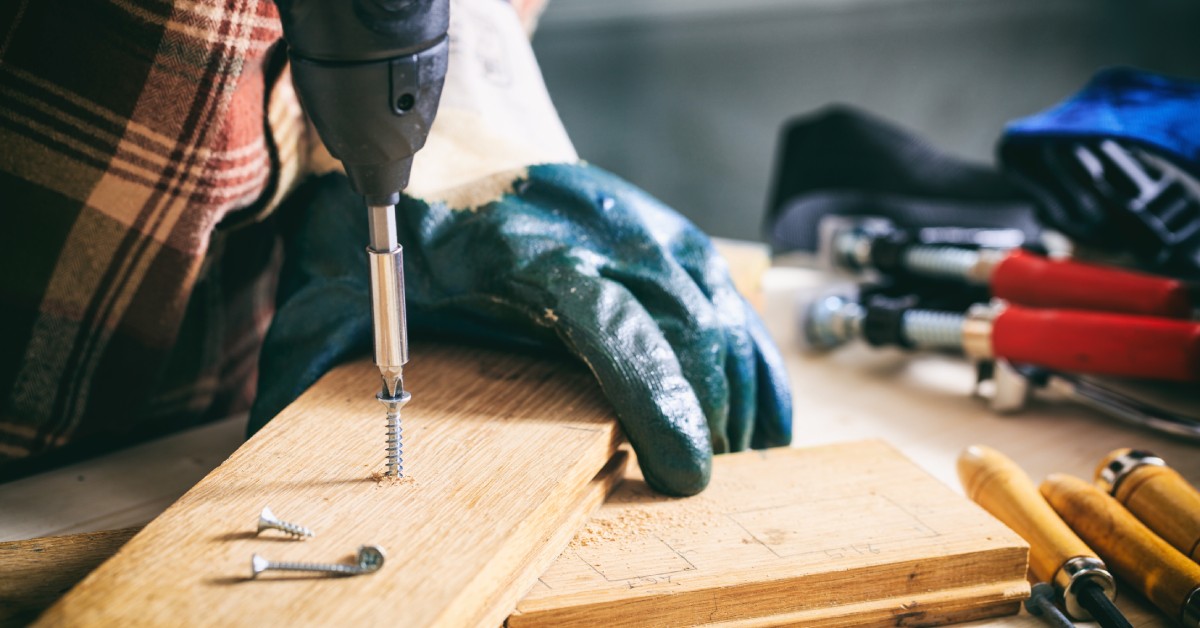
If you’re a homeowner, you’ll use your drill way more than you think. This list walks through common uses for a power drill around the house and shows you how to get each task done quickly and safely. You’ll learn where a drill saves you time, how to pick the right bit, and a few tricks to make your projects look professional.
Hanging Pictures and Mirrors
You want wall decor that sits straight and stays secure. A drill helps you mark and set anchors precisely, so heavy frames and mirrors don’t slip. Use a stud finder to locate solid backing. If you can’t hit a stud, pick anchors rated for your item’s weight. Pre-drill with a bit slightly smaller than the anchor, then drive the screw until snug.
Assembling Furniture
Flat-pack furniture goes faster with a drill. You tighten dozens of fasteners in minutes, which saves your wrists and cuts setup time in half. Set your clutch low to avoid stripping screws, then increase as needed. Switch to a driver bit that matches the screw head exactly. If a cam lock feels tight, pause and re-seat the piece rather than forcing it.
Installing Shelves
Installing sturdy shelves is a simple home improvement project that will improve your property. To do it correctly, you need to start with accurate holes. Mark bracket locations, check level across the span, and pre-drill into studs when possible. If you must mount in drywall, use toggle bolts for heavier loads. Drive screws until the bracket sits flush, then test with a gentle pull. A 24-inch shelf with books can exceed 40 pounds, so let your drill help you hit secure backing and avoid sagging.
Minor Home Repairs
A drill handles quick fixes every week. Tighten a loose hinge, swap a door handle, or add a magnetic catch to a stubborn cabinet. Use a countersink bit to seat screw heads cleanly. When a screw spins in a worn hole, you can fill it with a wooden toothpick and wood glue, let it set, then re-drive. You get a grip that lasts. For masonry patches, switch to a hammer-drill setting with a carbide bit, and you’ll anchor into brick or concrete with less effort.
More Complex Home Projects
Home projects can get more technical if you’re installing a ceiling fan or a new door. To install a new door, you’ll need a power drill to remove the old brackets from the door jamb. If you’re a skilled DIYer, a power drill is a necessary piece of equipment for radon mitigation. If you feel comfortable tackling a project of this scale, you’ll need to drill into your home’s concrete slab and use a drill to mount PVC brackets.
From perfect picture walls to sturdy shelving, you’ve got plenty of common uses for a power drill around the house. Keep good bits on hand, set your clutch correctly, and measure carefully. With a little practice, you’ll work faster, waste less, and feel confident tackling the next project on your list.