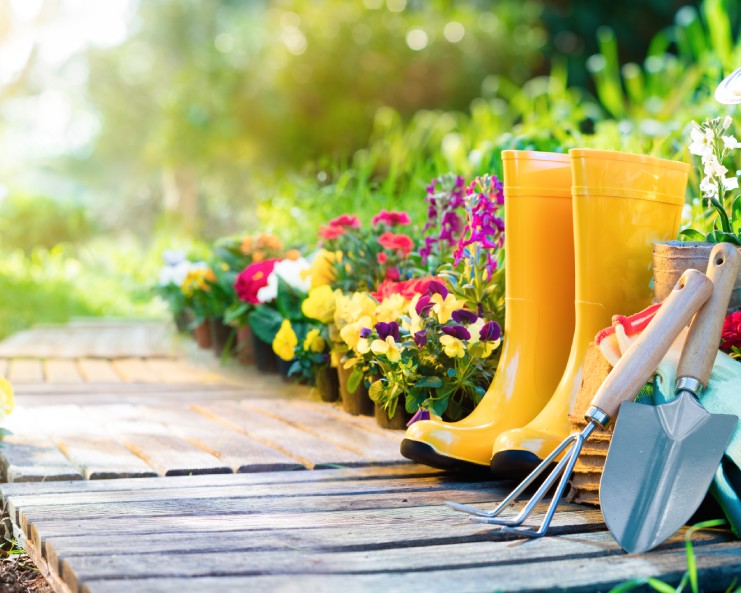
Your garden doesn’t have to hibernate once summer ends. Many homeowners believe that colorful, thriving gardens only exist during warmer months, but with the right planning and plant selection, you can enjoy beautiful blooms throughout every season. Learning how to maintain a blooming garden year-round starts with understanding that different plants shine at different times, creating a natural rotation of color and interest. This approach transforms your outdoor space into a dynamic landscape that evolves with the seasons!
Choose Plants for Each Season
Creating continuous blooms requires strategic plant selection that covers all four seasons. Spring bulbs like crocuses and daffodils emerge early, followed by tulips and hyacinths. Summer brings classic favorites such as roses, sunflowers, and zinnias. Meanwhile, fall showcases chrysanthemums, asters, and ornamental grasses, while winter relies on evergreen shrubs with berries and hardy plants like hellebores. Consider your local climate zone when selecting plants, as this determines which varieties will thrive in your area.
Prepare Your Soil Foundation
Healthy soil forms the backbone of any successful garden. Preparing your landscape’s soil for planting involves testing pH levels, adding organic matter, and ensuring proper drainage. Most flowering plants prefer well-draining soil with a pH between 6.0 and 7.0. Amend your soil with compost, aged manure, or other organic materials to improve structure and fertility. This preparation step, while often overlooked, greatly impacts plant health and bloom production.
Maintain Consistent Care
Regular maintenance keeps your garden blooming even after the warmer months pass. Water deeply but less frequently to encourage strong root systems. Make sure to fertilize according to each plant’s specific needs. Mulching around plants also helps retain moisture, suppress weeds, and regulate soil temperature. Choose organic mulches like shredded bark or compost that break down over time, adding nutrients to the soil.
Plan Your Garden Layout
Your garden’s design matters more than you think! Place taller plants toward the back of beds, with shorter varieties in front. This layering creates depth while ensuring all plants receive adequate sunlight.
Your front garden or driveway garden serves as your home’s first impression, so focus on plants that provide extended interest. Mix perennials that return each year with annuals that offer intense seasonal color. Lastly, include evergreen elements to maintain structure during dormant periods.
Start Planning Your Year-Round Garden
Creating a garden that blooms continuously takes patience and planning, but the rewards last throughout the year. Understanding how to maintain a blooming garden year-round becomes easier once you establish the foundation of diverse plants, healthy soil, and consistent care practices. Start with a few reliable plants for each season, then gradually expand your collection as you gain experience and confidence. Every garden is unique, and what works in one location may need adjustment in another.