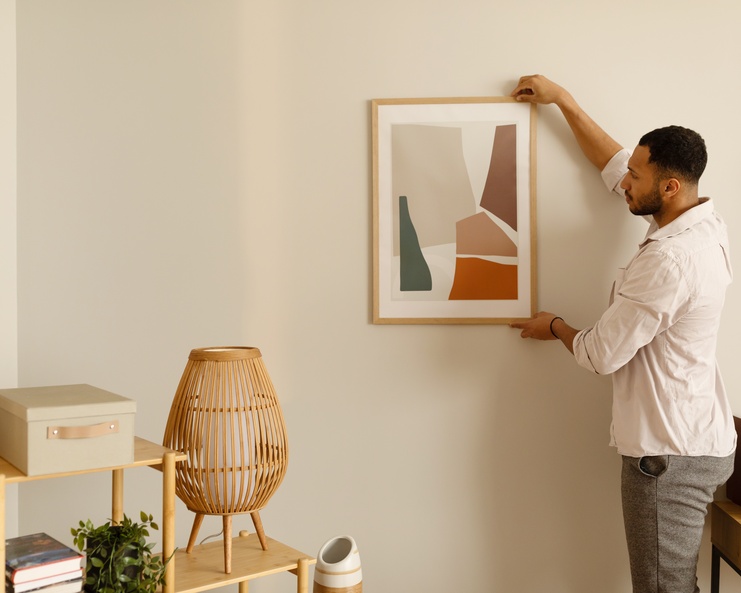
You know that jarring feeling when your living room suddenly opens into a stark, cold kitchen, or when your bedroom feels completely disconnected from the hallway? When rooms lack a unifying thread, your home feels choppy and disjointed. Every space doesn’t need to look identical, but these five design choices can harmonize your home to have more intent.
Choose a Consistent Color Palette
Pick three to five colors that work well together, then weave them throughout your home in different proportions. Your main color might dominate the living room walls, appear as accent pillows in the bedroom, and show up in your kitchen backsplash.
Neutral bases like whites, grays, or beiges provide flexibility while allowing you to add personality through accent colors. However, you can also work with bolder palettes if that matches your style.
Use Similar Materials and Textures
Wood tones aesthetically complement most homes, whether you’re using oak hardwood floors, walnut furniture, or pine accent pieces. The wood doesn’t need to match perfectly, but staying within the same warm or cool undertones helps rooms feel related.
Metals also effectively tie spaces together. If you choose brass hardware in your kitchen, consider brass light fixtures in your dining room or picture frames in your hallway.
Maintain Consistent Lighting Temperature
Choose either consistently warm lighting for a cozy, intimate feel or consistently cool lighting for a crisp, modern atmosphere. This consistency helps colors appear the same from room to room and maintains a unified mood throughout your home. Task lighting can vary slightly, but your general ambient lighting should maintain the same temperature range.
Create Visual Flow With Furniture Placement
Furniture arrangement affects how easily your eye moves through connected spaces. In open floor plans, arrange furniture so that sight lines flow naturally from one area to another. Avoid blocking pathways or creating visual barriers that chop up the space.
For example, if your kitchen opens to your living room, position your sofa so that people can see both spaces from where they sit. When working with separate rooms, consider how furniture placement in doorways affects the view from adjacent spaces. Plan your layouts with detailed blueprints to visualize these connections before moving furniture.
Even in smaller spaces, place furniture wisely to make the best use of the available room. Small kitchen designs benefit from a detailed approach, where every piece must work with the home’s flow.
Repeat Patterns and Shapes
Geometric patterns and shapes create subtle connections that your brain recognizes subconsciously. Patterns don’t need to be identical, but they should share a common thread.
A large geometric rug in your living room might connect to smaller geometric throw pillows in your bedroom, or wallpaper with organic shapes in your powder room might relate to the curved lines in your dining room chairs.
These design choices work together to harmonize every space in your home. Your home should still reflect your personality and accommodate different functions in different rooms. The goal is to create a connected feeling while allowing each space to serve its purpose beautifully.