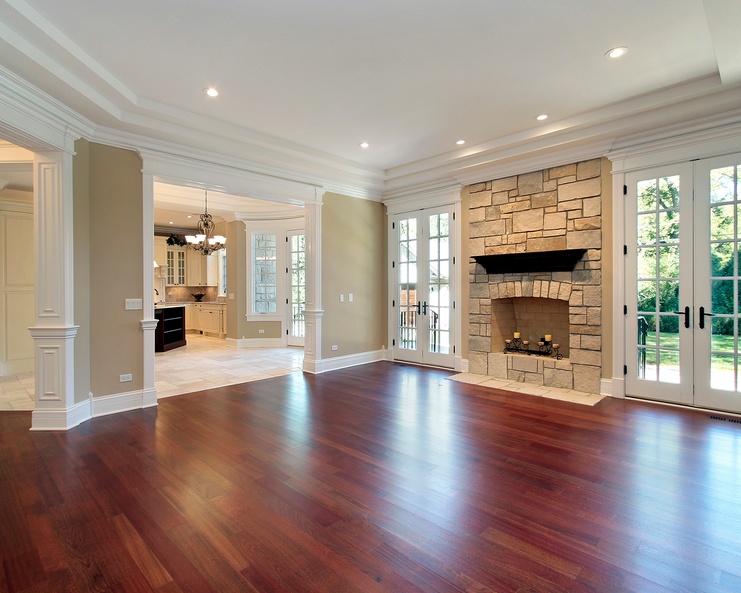
Hardwood floors bring natural warmth and lasting character to a home, but everyday activity can gradually affect their appearance. Foot traffic wears down protective finishes, while moisture and abrasive debris can damage the wood underneath. Learning how to properly maintain your hardwood floors helps preserve their beauty without turning cleaning into a complicated chore. Whether your floors feature oak, maple, or another hardwood species, consistent care makes a meaningful difference. Understanding how wood responds to cleaning products and household conditions will help you protect your investment for years.
Sweep Away Dirt Before It Causes Scratches
Dust and grit act like sandpaper whenever someone walks across a hardwood floor. Small particles collect near entryways and beneath furniture, where they can gradually dull the finish. Sweep regularly with a soft bristle broom or use a microfiber dust mop to lift debris without dragging it across the surface. Give busy areas extra attention, especially when family members frequently move between outdoor spaces and indoor rooms.
A vacuum can make cleaning easier, provided you choose the appropriate settings. Use a hardwood floor attachment and disable rotating brush rolls that might scratch the finish. Check the vacuum wheels for trapped grit before moving across the room.
Mop Carefully To Avoid Moisture Damage
Water can seep between floorboards and cause wood to swell or change shape. Instead of soaking the surface, clean with a lightly damp microfiber mop and a product that suits your floor’s finish. Follow the flooring manufacturer’s guidance when selecting cleaners, since different finishes require different approaches. Work in manageable sections and remove any remaining moisture promptly.
Avoid steam mops unless the flooring manufacturer explicitly approves them. Their heat and moisture can compromise finishes or enter gaps between boards. Likewise, harsh chemicals may strip protective coatings and leave the surface looking cloudy. Test unfamiliar products in an inconspicuous area before cleaning the entire room.
Respond Quickly To Spills and Stains
Even well-maintained floors occasionally encounter spilled drinks or muddy footprints. Wipe up liquid immediately with an absorbent cloth, then gently clean the affected area according to the finish manufacturer’s instructions. Leaving moisture in place increases the chance of discoloration and damage around board edges.
Treat stubborn stains carefully rather than scrubbing aggressively. Rough pads can remove the finish and create a more noticeable mark than the original spill. If a stain penetrates the wood, ask a flooring professional about appropriate treatment. Attempting to sand one small area without understanding the existing finish may create an uneven appearance.
Protect Floors From Furniture Damage
Furniture legs can leave scratches whenever chairs slide or tables shift. Place suitable felt pads beneath stationary pieces and inspect them regularly for wear. For frequently moved seating, consider protective chair end caps that fit securely and suit your flooring. Replace damaged protectors before exposed metal or rough plastic contacts the surface.
Lift heavy furniture instead of dragging it across the room. When moving large pieces, ask someone to help or use floor-safe moving equipment designed for hardwood. Check that protective materials remain clean because trapped grit can still scratch the finish.
Use Rugs Strategically in Busy Areas
Area rugs reduce wear where people walk most often. Position them near entrances and along heavily traveled pathways to catch dirt before it spreads. Choose breathable, hardwood-compatible rug pads that will not react with your floor’s finish. Some rubber-backed materials can trap moisture or cause discoloration, so check product compatibility before purchasing.
Shake out rugs regularly and clean underneath them to remove accumulated particles. Move rugs occasionally when practical so surrounding flooring receives more even exposure to daylight.
Maintain Stable Indoor Humidity
Wood naturally expands and contracts as indoor humidity changes. Excess moisture may cause boards to cup, while overly dry conditions can produce noticeable gaps. Maintain indoor humidity within the range recommended by your flooring manufacturer, using a hygrometer to monitor conditions. Heating and cooling systems can affect moisture levels throughout the year, so seasonal adjustments may become necessary.
Use a humidifier or dehumidifier when conditions consistently fall outside the recommended range. Address plumbing leaks promptly and avoid allowing damp materials to rest against hardwood. Stable conditions help preserve board alignment and reduce stress on the flooring over time.
Limit Sun Exposure and Surface Fading
Direct sunlight can change the color of certain wood species and finishes. Rooms with large windows may develop uneven tones when the same areas receive intense light every day. Close blinds during the brightest hours or install window coverings that filter ultraviolet rays.
Rearrange lightweight furnishings periodically to help exposed areas age more evenly. Remember that some natural color changes occur even with careful protection. If you notice significant differences, consult a flooring specialist before applying products intended to restore color.
Keep Shoes and Pet Claws in Check
Outdoor shoes carry grit that can scratch hardwood, particularly around entrances. Encourage household members to remove shoes when practical and provide a convenient place to store them. Keep entry mats clean so they continue catching particles instead of spreading them. Avoid walking on hardwood in footwear with damaged heels or sharp edges.
Pets can also contribute to surface wear when their nails grow too long. Trim claws regularly according to your veterinarian’s guidance and clean paws after muddy outings. Place washable mats near pet bowls to catch splashes before moisture reaches the boards. Thoughtful routines let your household enjoy the floors without treating every movement as a risk.
Refresh Worn Finishes Without Replacing Flooring
Over time, some hardwood floors develop dull patches even with careful maintenance. Understanding how to refresh old wood without replacing it starts with identifying the existing finish. Certain surface finishes may benefit from professional screening and recoating, provided the coating remains suitable. Deep scratches or exposed wood might require a different repair approach.
Avoid applying wax or polish without checking compatibility with the existing finish. Some products leave residue that complicates future refinishing work. Consult a qualified flooring specialist when you cannot identify the coating or notice widespread damage. The right treatment can restore a more consistent appearance without unnecessary replacement.
Recognize When Professional Care Makes Sense
Routine maintenance handles ordinary dirt, but certain problems need experienced attention. Persistent discoloration may indicate moisture damage rather than simple surface staining. Deep gouges can expose bare wood and make the surrounding finish more vulnerable. A professional can assess whether targeted repairs will resolve the problem.
Schedule an inspection when boards loosen or develop movement underfoot. Avoid sanding damaged areas yourself unless you understand the flooring’s construction and remaining wear layer. Engineered hardwood may offer fewer refinishing opportunities than solid planks. An informed assessment helps protect your investment and prevents avoidable mistakes.
Preserve Beautiful Hardwood for the Long Term
Understanding how to properly maintain your hardwood floors starts with simple habits that protect the finish and respect the material underneath. Regular gentle cleaning and prompt spill removal can reduce avoidable wear. Pair these routines with appropriate furniture protection and attention to indoor conditions. As your floors age, inspect them periodically and address emerging concerns before they become larger problems. Follow the manufacturer’s specific care instructions. Consistent care helps hardwood remain a welcoming feature of your home for many years.