Lifting heavy materials without proper technique creates serious risks. Improper weight distribution or balancing places extreme pressure on the body and can cause injuries. A structured approach with intentional movements allows for a safe and efficient lifting process. Learn how to safely lift heavy materials for DIY home projects below.
Proper Lifting Techniques
A strong stance with feet shoulder-width apart improves balance and prevents instability before attempting to lift any object. Bend your knees deeply with a straight back to reduce strain on the spine by engaging the legs and providing a strong foundation. You should also firmly grip the object close to your body to prevent unnecessary pressure on muscles and minimize the risk of slipping.
A controlled lift with steady footing will allow you to safely lift heavy materials for DIY home projects without straining muscles or risking injury. Keep your head aligned with your spine to maintain proper posture throughout the movement.
Choosing the Right Lifting Tools
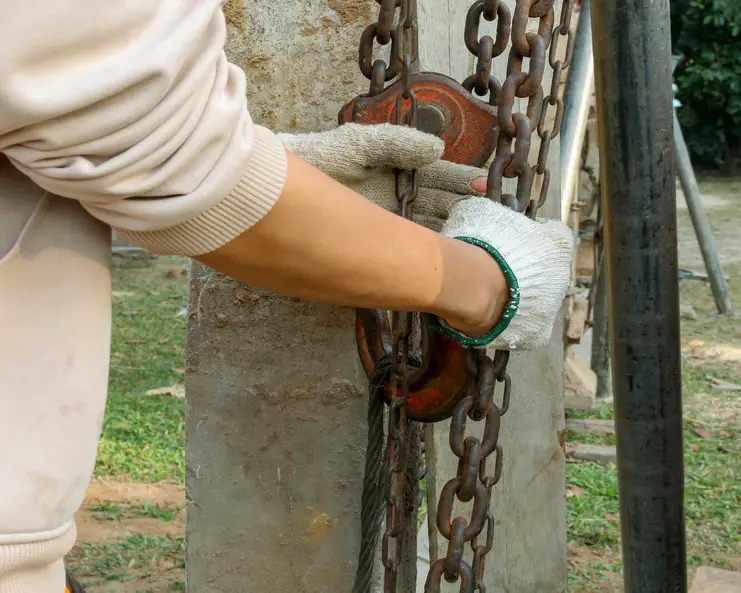
Straps, hand trucks, and dollies reduce physical strain and improve efficiency when handling heavy materials. A properly selected tool prevents muscle fatigue and enables you to move oversized objects, especially when navigating stairs or tight spaces. For example, polyester slings are strong and lightweight compared to heavier metal chains and can help relocate objects safely.
Regularly inspecting your lifting tools will prevent failures that could lead to accidents or dropped materials. Frayed straps, rusted chains, or loose bolts compromise safety, so maintain them properly to keep them reliable for every project.
Preparing the Work Area for Safe Lifting
A clean and organized workspace eliminates tripping hazards that cause accidents. Loose cords, scattered debris, and uneven flooring increase the risk of sudden missteps and material damage. Nonslip surfaces provide secure footing and reduce the chances of losing balance while lifting heavy objects.
Additionally, position heavy materials on elevated surfaces to reduce unnecessary bending strain on the lower back. Proper lighting also improves visibility and helps identify obstacles to assess the safest lifting path.
Team Lifting and Communication Strategies
Coordinating teamwork is a great tip for making landscaping projects easier and optimizing heavy lifting in general. Focused, coordinated efforts prevent misalignment that results in sudden shifts and dropped materials. Clear verbal signals before lifting keep every team member in sync and eliminate hesitation or confusion during the process. Always confirm readiness before lifting an object with a partner to avoid mistakes that could lead to injuries.
A steady lift with equal weight distribution will allow your team to safely lift heavy materials for DIY home projects. Maintain eye contact with lifting partners to provide nonverbal confirmation that everyone is moving together. Set an agreed-upon pace beforehand so no one moves too quickly or loses control of the object.
Post-Lifting Safety and Recovery
Stretching after a lift reduces stiffness and prevents muscle strain from prolonged tension. Hydration and rest allow muscles to recover after intense lifting sessions and prevent fatigue in future tasks. These lifting techniques will improve performance and prevent future mistakes that could lead to injuries.