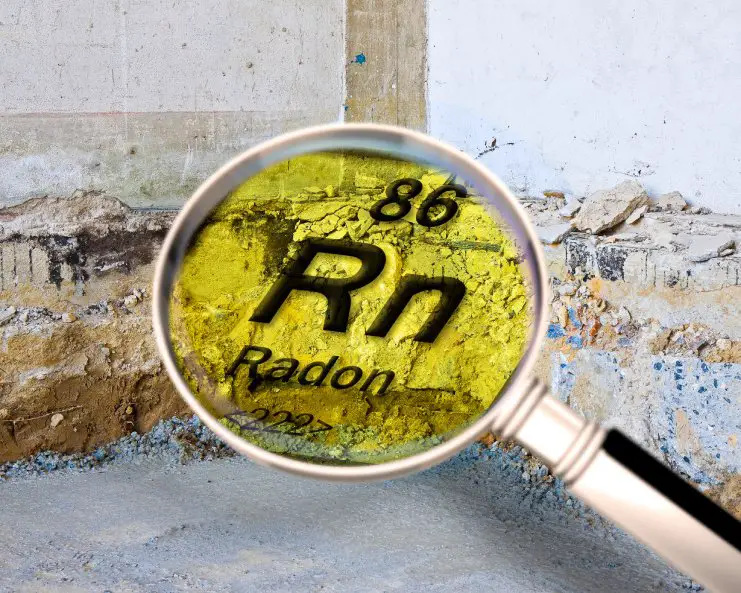
Radon exposure is a hazard that affects millions of homeowners. It’s an odorless, colorless gas that can seep into your home without you even realizing it. When left unchecked, elevated radon levels can pose significant health risks, including an increased likelihood of lung cancer over time.
This post will guide you through how crawl space conditions can increase radon levels and what you can do to protect your home and family.
What Is Radon?
Radon is a radioactive gas that forms naturally when uranium in soil breaks down. Although it exists almost everywhere, it becomes dangerous when it seeps into homes through cracks in foundations, gaps in floors, or unsealed crawl spaces. Because radon has no smell, color, or taste, most homeowners don’t realize it’s there until it reaches hazardous levels. Breathing radon over time can damage lung tissue and significantly increase the risk of lung cancer.
Testing is the only reliable way to detect radon in your home. If you’re wondering whether your home might be at risk, reviewing the most frequently asked questions about radon can help you understand what to look for and when to take action.
Why Crawl Spaces Are a Common Entry Point
Crawl spaces are particularly vulnerable to radon infiltration because of the way they’re constructed. These areas are often unsealed or poorly ventilated and allow radon gas to move freely into your home. Cracked floors or walls, excessive moisture, and nonexistent vapor barriers can magnify the problem. Even small cracks can create pathways for radon gas to make its way inside.
The Role of Moisture in Increasing Radon Levels
When your crawl space holds excess moisture from humidity or standing water, it creates conditions that make it easier for radon to enter your home. Moist air helps radon move more freely, and added pressure from damp soil pushes the gas through even the smallest cracks. Following helpful tips for keeping your crawl space dry—such as sealing vents, improving drainage, and applying vapor barriers—can go a long way in reducing radon intrusion.
Improving Crawl Space Conditions To Reduce Radon
To mitigate risks, homeowners should focus on maintaining clean and sealed crawl spaces. Installing vapor barriers and properly sealing cracks and gaps reduce the chances of radon infiltration. Regular radon testing, especially for homes with crawl spaces, is essential. If elevated levels are detected, a radon mitigation system can ensure your home remains safe. These systems actively vent radon outside before it can collect in your living spaces.
Learning how crawl space conditions can increase radon levels is something homeowners cannot afford to overlook. By addressing crawl space vulnerabilities, conducting routine testing, and seeking professional radon mitigation services when necessary, you can protect those you care about most.