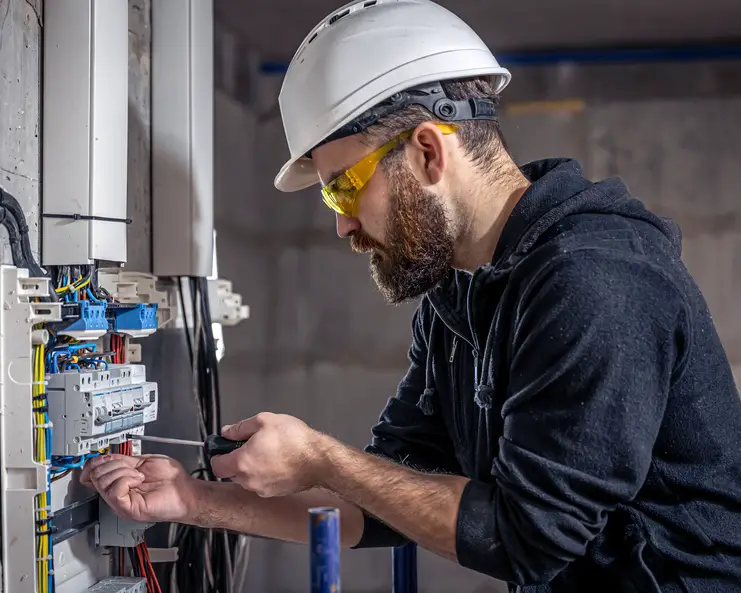
Power outages don’t announce themselves. One minute, you’re watching TV or making dinner, and the next, everything goes dark. A backup generator is the perfect solution—but you have to weigh the cost of professional installation against the appeal of doing it yourself.
Is DIY generator installation worth the risk? That question deserves an honest look before you grab your toolkit. Installing a generator involves electrical wiring, fuel connections, permits, and safety codes. Miss one detail, and you could face serious consequences ranging from property damage to life-threatening hazards. Let’s break down what this project entails and whether the savings justify the potential dangers.
Understanding the Complexity
Generator installation isn’t like assembling furniture or patching drywall. You’re dealing with high-voltage electricity and potentially combustible fuel lines. The transfer switch alone requires precise electrical knowledge to prevent back-feeding—a dangerous situation where power flows backward into utility lines, putting repair workers at risk of electrocution.
Fuel connections present their own challenges. Natural gas and propane lines must meet exact specifications. A tiny leak creates fire and explosion risks that could destroy your home. Add in the complexity of load calculations (figuring out which circuits your generator needs to power), and the project quickly exceeds typical DIY skills.
What Could Go Wrong
The risks stack up fast. Place your generator too close to windows or air intakes, and carbon monoxide seeps inside. Wire the transfer switch incorrectly, and you endanger utility workers or damage your appliances when power returns. Size your generator wrong, and it either fails to power essential items or wastes fuel running inefficiently.
Local building codes exist for good reasons. Skipping permits or inspections might seem like a shortcut, but it voids warranties and insurance coverage. If a DIY installation causes damage, your insurance company can refuse to pay. You’ll also struggle to sell your home later since unpermitted electrical work shows up in inspections.
Want to avoid common generator installation mistakes? The surest path involves hiring certified professionals who handle these installations daily.
The Professional Advantage
Certified installers bring expertise you can’t replicate without the background. They calculate your home’s exact power needs, secure proper permits, ensure code compliance, and test everything before walking away—and their work comes with warranties that protect your investment.
Professional installation costs more upfront, but it eliminates the expense of fixing DIY errors. Correcting faulty wiring or replacing damaged equipment often exceeds what you’d pay for proper installation from the start. Plus, pros complete the job faster, getting your backup power system operational when you need it most.
Generator installation is a smart home upgrade to make before winter, but it delivers better results when experts handle the technical details.
Making Your Decision
DIY generator installation is not worth the risk for most homeowners. The combination of electrical complexity, fuel system dangers, code requirements, and liability issues makes this project too dangerous for amateur installation. Your family’s safety and your home’s protection depend on getting it right the first time.
Save DIY efforts for projects that don’t involve high-voltage electricity or explosive fuels. When it comes to backup power systems, professional installation offers peace of mind that’s worth every penny.