Modern landscape design continues to move away from rigid layouts and toward spaces that feel more connected to nature. Homeowners want outdoor areas that blend with the surrounding environment while creating a comfortable place to relax and entertain. Natural shapes help achieve that balance by softening hard edges and creating a more inviting atmosphere. These design trends focus on curves, organic forms, and thoughtful plant selections that work together to create visually appealing landscapes.
Curved Pathways and Garden Beds
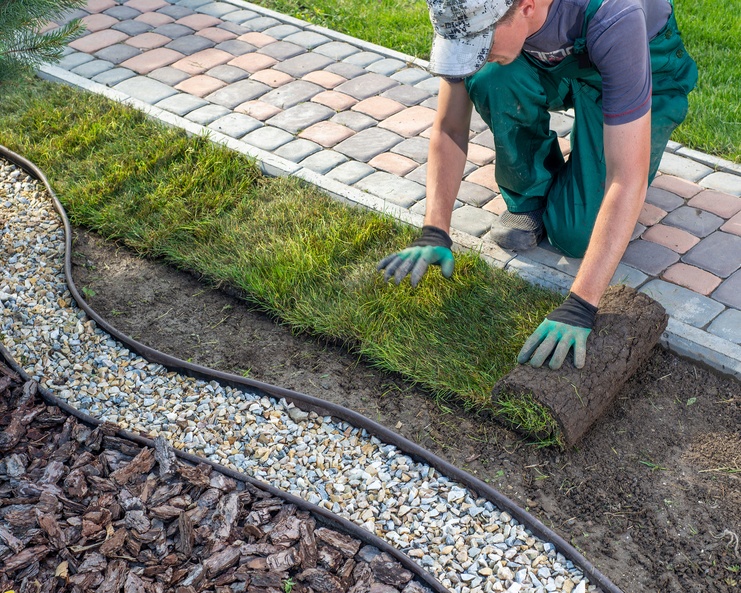
Straight lines often create a formal appearance, but curved pathways and garden beds bring a more relaxed feel to outdoor spaces. Designers now favor winding walkways that guide visitors through the landscape while highlighting different features along the way.
Curved garden beds also create smoother transitions between lawns, patios, and planting areas. These shapes help landscapes feel more natural and reduce the harsh appearance that geometric layouts sometimes produce.
Organic Water Features
Water features remain popular, but many homeowners now choose designs that mimic natural bodies of water. Instead of sharp angles and symmetrical layouts, designers often incorporate flowing lines and irregular edges.
A freeform pool fits perfectly into this trend because it resembles a natural pond or lagoon. Its shape creates a softer visual effect and allows the surrounding landscape to blend more naturally with the water feature. Designers often pair these pools with rock accents, native plants, and curved patios to strengthen the organic appearance.
Native Plants and Layered Landscaping
Plant selection plays a major role in creating landscapes that embrace natural shapes. Native plants often grow in less structured patterns, which helps outdoor spaces feel more authentic. They also support local wildlife and generally require less maintenance once established.
Many designers use layered landscaping techniques that include:
- Ground covers for texture and coverage
- Ornamental grasses for movement
- Flowering perennials for seasonal color
- Shrubs with natural growth habits
- Native plants suited to local conditions
This layered approach creates depth and visual interest while maintaining a relaxed and natural appearance.
Natural Gathering Spaces
Outdoor living areas continue to evolve, and many homeowners now prefer gathering spaces that flow with the landscape. Instead of perfectly square patios, designers often incorporate rounded seating areas and curved retaining walls.
These elements create comfortable spaces for entertaining while helping the design feel connected to the surrounding environment. Natural stone materials also complement these layouts because their irregular shapes add texture and character.
Tree Placement as a Design Feature
Strategic tree placement remains one of the most effective ways to enhance a natural landscape design. Rather than arranging trees in straight rows, designers often place them in clusters that resemble natural growth patterns.
Planting trees can define outdoor rooms, create shade, and add visual balance throughout the property. Trees also help soften architectural features and provide a sense of maturity within the landscape. When combined with curved planting beds and layered vegetation, they contribute to a cohesive and organic design.
Bringing Nature Into the Design
The growing popularity of natural shapes reflects a broader desire for landscapes that feel welcoming and timeless. Curved pathways, organic water features, native plants, and thoughtful tree placement all contribute to outdoor spaces that blend beauty with functionality. By embracing these trends, homeowners can create landscapes that feel more connected to nature while enhancing the overall appeal and enjoyment of their property.