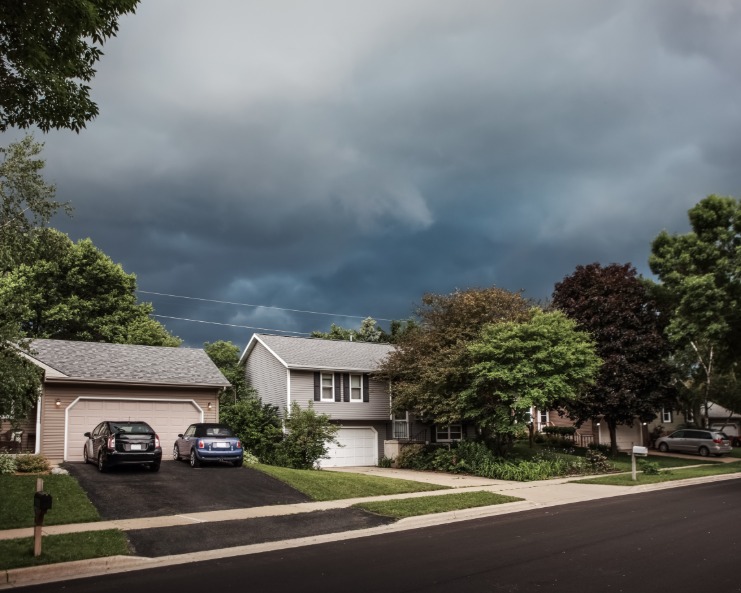
Your home’s exterior faces changing weather every day, and each season brings different challenges. Over time, intense weather affects roofing, siding, gutters, windows, landscaping, and other areas that protect your living space. Even outdoor-rated materials eventually show wear after months of rain, heat, wind, or freezing temperatures.
Small problems can quickly become expensive repairs without regular attention. Understanding how seasonal weather affects your home’s exterior helps you protect its appearance and long-term value. A little preventative maintenance can also make homeownership less stressful because you can address problems on your schedule instead of waiting for an emergency.
Spring Brings Moisture and Growth
Spring often delivers heavy rain and rising humidity around the home. Excess moisture can damage siding and encourage mold if water collects in hidden areas. As the ground absorbs more water, poor drainage can also direct moisture toward the foundation and create problems that extend beyond the exterior.
Homeowners should inspect gutters and downspouts to keep rainwater flowing away from the foundation. Check for sections that sag or overflow during heavy rainfall. Trimming nearby trees and shrubs also reduces moisture buildup while preventing branches from scraping exterior surfaces when spring winds pick up.
Spring also creates a good opportunity to inspect the yard after winter. Look for damaged fencing and other hazards. These small projects matter even more when you’re making the backyard safer for kids, since warmer weather usually means more time spent playing outdoors.
Summer Heat Tests Exterior Materials
High temperatures and intense sunlight constantly stress exterior building materials. Roofing, paint, and caulking can crack or dry out after long periods of direct sun exposure. Dark roofing materials can become particularly hot, while constant UV exposure gradually affects the appearance of painted and finished surfaces.
Regular inspections help identify worn materials before they create larger issues. Watch for peeling paint and damaged roofing materials. Catching these problems early can save money compared with replacing larger sections after deterioration spreads.
Cleaning dirt from siding also helps preserve both color and structural integrity throughout the hottest months. You do not necessarily need complicated equipment for basic exterior cleaning. Gentle washing and attention to manufacturer recommendations can keep surfaces looking better without accidentally damaging paint or protective finishes.
Fall Prepares Your Home for Winter
Autumn provides an excellent opportunity to prepare your home before freezing temperatures arrive. Leaves can clog gutters and create standing water that damages roofing and fascia boards. Falling branches and seasonal debris can also collect on roofs and drainage areas.
Many homeowners begin noticing clear signs it’s time to replace their roof after spotting missing shingles or excessive granules in the gutters. Addressing these concerns before winter helps reduce the risk of costly emergency repairs as temperatures drop.
Fall maintenance can also help with household budgeting. An exterior repair that seems manageable in September may become a much more complicated project during January. Handling necessary work before harsh weather arrives gives homeowners more time to compare options and plan for the expense instead of making rushed decisions.
Seasonal Maintenance Checklist
Simple maintenance throughout the year helps protect your home’s exterior from weather-related damage. You do not need to renovate the house every season. Instead, focus on recurring tasks that help you catch small changes before they become expensive surprises.
- Clean gutters and downspouts regularly.
- Inspect roofing after major storms.
- Check siding for cracks or loose panels.
- Seal gaps around doors and windows.
- Trim trees that hang over the roof.
- Wash dirt and mildew from exterior surfaces.
Consider keeping a basic maintenance calendar on your phone or with your household paperwork. Recording when you cleaned the gutters, inspected the roof, or repaired exterior caulking makes it easier to remember what needs attention next. This approach can also help you plan maintenance expenses throughout the year.
Winter Creates Tough Conditions
Snow, ice, and freezing temperatures place additional strain on every part of your home’s exterior. Ice dams can trap water beneath shingles and increase the chance of leaks inside the home. Heavy snow may also add substantial weight to certain exterior structures, especially when repeated storms cause accumulation.
Frozen moisture creates another concern because water expands as it freezes. Moisture that enters a small crack in masonry, concrete, siding, or another exterior material can make that opening larger after repeated freeze-and-thaw cycles. A minor flaw in fall can become a much more noticeable repair by spring.
Prompt snow removal and routine inspections help reduce seasonal wear while protecting important structural components. Homeowners should use caution when dealing with roofs or icy areas, however. Some jobs make great DIY projects, while dangerous or complicated work deserves professional attention.
Small DIY Projects Can Prevent Bigger Repairs
You don’t need professional-level construction skills to better care for your home’s exterior. Many preventative tasks require paying attention. Cleaning accessible gutters, touching up exterior paint, replacing damaged weatherstripping, and keeping vegetation away from siding can all help maintain your home’s condition.
The key is recognizing the limits of a DIY project. Climbing onto a steep roof, repairing major structural damage, or working around electrical equipment introduces risks that may outweigh potential savings. Calling an experienced contractor for those projects can protect both you and your home.
Think about maintenance as an ongoing investment rather than an annoying expense. Spending a reasonable amount on preventative care today can help you avoid a much larger bill after water or weather damage reaches areas that require extensive repairs.
Weather Protection Can Support Home Value
Exterior maintenance does more than prevent leaks and cracks. A house’s exterior creates the first impression for neighbors and potential buyers. Faded paint, damaged siding, clogged gutters, and an aging roof can make an otherwise comfortable home look neglected.
Consistent maintenance helps preserve curb appeal while protecting the materials underneath. If you plan to sell eventually, keeping up with smaller projects can also prevent a long list of repairs from appearing all at once when you prepare the property for the market.
Even if selling is far in the future, maintaining the exterior protects the money you’ve already invested in your home. A sound roof and well-maintained siding all help a house handle seasonal changes more effectively.
Regular Care Protects Your Investment
Seasonal weather will always affect your home’s exterior, but consistent maintenance keeps damage under control. Small repairs completed early often prevent much larger restoration projects later. Paying attention year-round also helps you anticipate expenses instead of letting exterior problems catch you by surprise.
Home maintenance does not need to feel overwhelming. Start with seasonal inspections, tackle manageable DIY projects, and bring in professionals when a repair requires specialized skills or presents a safety risk. That balance can help you protect your budget while keeping the property in dependable condition.
Paying attention to changing weather conditions helps homeowners make smart maintenance decisions year-round. A well-maintained exterior continues to provide protection and lasting value in every season.