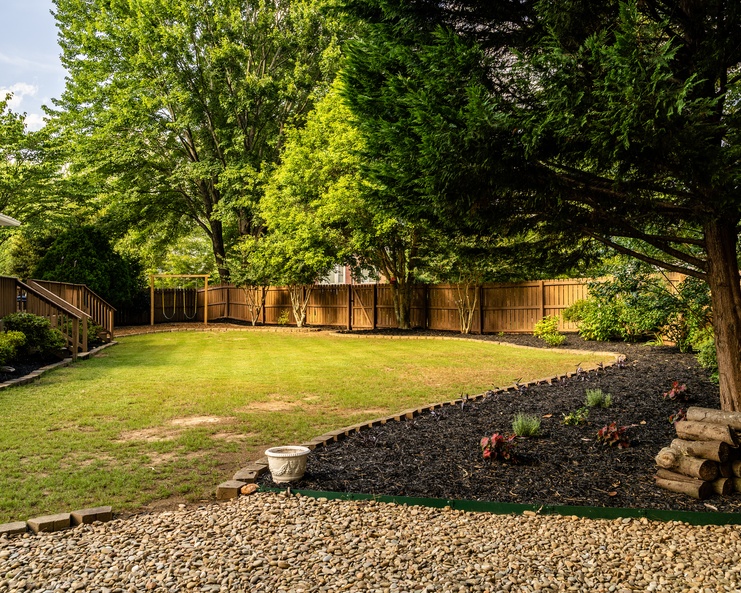
A backyard makeover can begin innocently enough. You picture a better patio, prettier planting beds or a proper place to sit with friends, and suddenly you are mentally redesigning every square foot outside the back door.
Before choosing paving or falling in love with a pergola, though, give the existing yard a proper look. And I mean all of it. What sits above your head and beneath your feet can have a much bigger effect on a project than the decorative details you notice first. Before you redesign your yard, look up and down to assess vertical structures.
Start With What Is Already Overhead
Mature trees bring shade, privacy and character that would take years to recreate. They can also dictate where a patio works, how much sunlight reaches a garden and whether certain structures make sense.
Look at the canopy before drawing your new layout. Notice branches hanging over the house, garage, fence or areas where you plan to entertain. If a tree looks unhealthy, leans unexpectedly or has large dead limbs, bring in a qualified tree professional before construction starts.
This is especially important when the tree sits close to a structure. Understanding the considerations involved in safely removing trees close to home foundations can help you see why tree work and landscape planning sometimes need to happen together rather than as separate projects.
Don’t Forget What Is Underground
Roots are easy to ignore because you cannot see most of them, but that doesn’t make them unimportant. Excavation for patios, walls and other landscape features can interfere with established root systems.
The same goes for utilities. Before digging, homeowners need to identify underground utility locations through the appropriate local service. A rough guess about where a line runs isn’t good enough when excavation enters the plan.
Then there is drainage. Watch where water travels after a decent rain. That information may change where you put hard surfaces, planting beds or other features that affect how water moves through the property.
Ask Better Questions Before Choosing a Design
Pinterest boards are brilliant for figuring out what you like, but your actual yard gets the final vote. A design has to work with the property’s conditions.
Think through the questions to ask ahead of your backyard makeover project before buying materials or booking contractors. How much sun does the space receive? Where does water collect? Which existing features need to stay, and how much maintenance do you realistically want once everything looks lovely?
These questions are less glamorous than choosing outdoor furniture, but they shape nearly every decision that follows. They also help you explain what you need when talking with landscapers or other professionals.
Watch the Yard at Different Times
If you can, spend a few days observing the space before finalizing the plan. A garden can feel completely different at 8 AM than it does at 4 PM.
Notice where the sun hits during the hours when you actually use the yard. A patio in full afternoon sun might become uncomfortable in July, while a seating area tucked into deep shade could feel chilly during spring and autumn.
Pay attention to privacy as well. A spot that seems secluded from the kitchen window may have a direct view into the neighbor’s yard once you stand outside. Small observations like these make a design far more personal and useful.
Give Drainage the Attention It Deserves
Drainage rarely stars in the dream-yard mood board, but it can make or break the finished project. New hardscaping changes how water moves because rain cannot soak through solid surfaces in the same way it enters planted ground.
Look for low areas, damp patches and signs that water already travels toward the house. If the yard has an existing drainage issue, solve it as part of the makeover rather than hiding it beneath something attractive.
This is one of these jobs where professional input can prove extremely valuable. A beautiful patio loses its charm quickly if every heavy rain sends water somewhere it shouldn’t go.
Work With the Best Existing Features
A makeover doesn’t require clearing everything and starting again. Keeping the right existing features can save money and give a new garden an established feel immediately.
A healthy mature tree might become the anchor for a seating area. An old brick path could inspire the material palette for newer hardscaping. Even a slightly awkward slope may offer an opportunity for layered planting instead of becoming a problem that needs flattening.
Be selective rather than sentimental. Keep features because they contribute something useful, healthy or attractive to the new plan.
Plan for Maintenance From the Beginning
This is where it helps you to be very truthful with yourself. If you hate spending weekends maintaining the garden, don’t create a design that demands constant attention.
Plant choices, lawn size and hardscape materials all affect ongoing work. So do the number of edges, tight corners and small spaces that need regular tidying. A lower-maintenance yard can still feel lush and thoughtfully designed.
Think several seasons ahead. The goal isn’t just to enjoy the yard during its first summer but to still like living with it after the novelty wears off.
Leave Room for the Yard To Grow
Plants change. Trees spread, shrubs fill out and perennial beds look different after a few seasons than they did on planting day.
Give new plants enough room to reach a sensible, mature size instead of crowding them together for instant fullness. That can feel slightly sparse at first, but it reduces future pruning and overcrowding.
The same long-term thinking applies to how your household might use the space. Leaving one flexible area can give you options if you later want a play space, vegetable beds or another seating area.
Build the Makeover From the Site Out
The fun part of a yard redesign will always involve choosing the things you can see. But the best-looking gardens usually work because somebody paid attention to the less exciting details first.
Look up at the canopy. Understand what is happening underground. Watch the sun and rain, then build your ideas around how you genuinely use the property.
Once these pieces make sense, choosing plants, furniture and finishing touches becomes much easier. Better yet, you end up with a yard that doesn’t simply photograph well after the project. You get one that actually works for your home.