A well-maintained septic system is essential for the health and comfort of your home. However, even with proper care, unpleasant odors can sometimes emerge from your septic tank and cause feelings of discomfort and concern. These odors not only disrupt your living environment but can also indicate underlying issues that you need to address.
Look at tips to help you reduce septic tank odor and keep your system running smoothly.
Regular Pumping
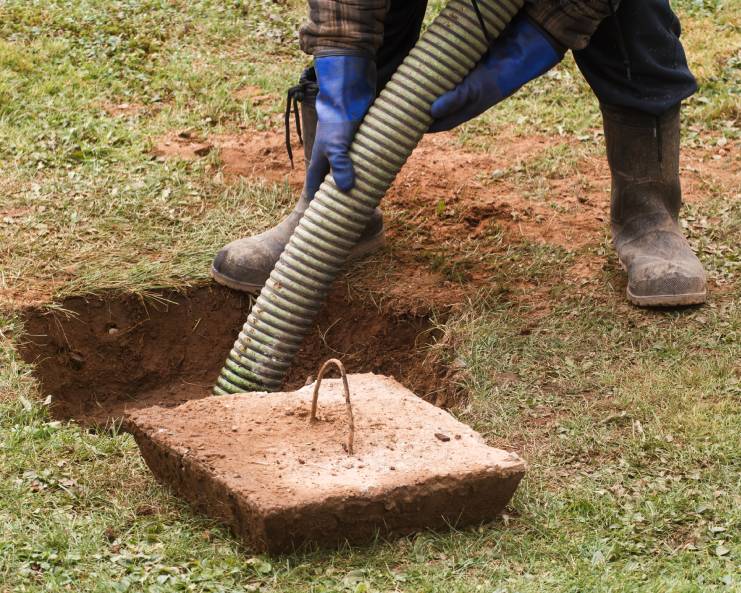
One of the most common causes of septic tank odor is a buildup of solid waste and sludge, leading to an overflowing tank. To prevent this, schedule regular pumping appointments with a professional septic service provider. Do this every three to five years, depending on the size and usage of your septic tank. Regular plumbing maintenance for your home can also help to detect and address potential issues before they worsen.
Proper Waste Disposal
What you put into your septic system greatly affects its efficiency and odor control, so be mindful of what goes down the drains and toilets. Avoid flushing or disposing of non-biodegradable items, such as paper towels, diapers, and menstrual products. Additionally, avoid pouring cooking oils and grease down the kitchen drain, as they can congeal and clog the system. Proper waste disposal not only reduces odors but also prevents potential damage to your septic tank.
Bacterial Additives
Bacterial additives in your septic tank can break down solid waste and control odors. Look for products for septic tanks that contain enzymes and bacteria to improve efficiency and reduce odors.
Leak Inspection
If you notice a persistent sewage smell in your home, it could be a sign of leaks in the septic system. Leaks can occur in different areas, such as the tank itself or the pipes leading to and from it. Regularly inspect the entire septic system for leaks, and address them promptly. Not only will this reduce odors, but it can also prevent potential damage and costly repairs.
Keep Your Drain Field Clear
The drain field plays a crucial role in filtering effluent from the septic tank. If it becomes clogged or overloaded, it can lead to a backup of sewage and unpleasant odors in your yard. Avoid parking vehicles or building structures over the drain field. Additionally, ensure that trees and large plants do not grow near the area, as their roots can damage pipes and disrupt drainage.
Monitor Water Usage
Excessive water usage can overload a septic system and cause unpleasant odors. Be mindful of your water consumption, and make efforts to conserve when possible. Simple measures such as fixing leaky faucets and using high-efficiency appliances can reduce water usage and alleviate strain on your septic system.
Maintaining a healthy and odor-free septic tank requires regular upkeep and awareness of proper usage. There are many types of septic tank systems, so do your research and understand the needs of your system. By following these tips, you can reduce septic tank odors and ensure a long-lasting, functioning septic system for your home. Remember to consult a professional if you have any concerns or questions about your septic tank.