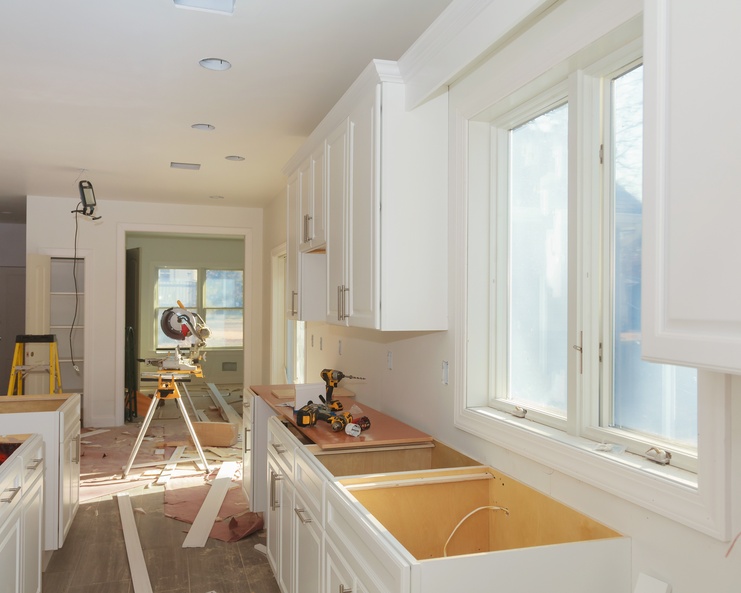
To tackle home improvement projects successfully, start with a solid plan that details the required materials, tools, and a clear, step-by-step process. Many homeowners encounter avoidable setbacks due to common mistakes in home improvement projects resulting from a lack of preparation. Diving into a project without proper planning often leads to costly errors and delays. Investing in quality tools and understanding their appropriate use can significantly enhance your chances of success.
Start With a Clear Plan
Always take the time to map out the details, including necessary materials, tools, and budget. Understanding the scope of work ahead will save you from costly errors down the line. If you’re unsure, consult helpful resources or professionals to ensure your vision is both achievable and efficient.
Oversights in the planning stage can result in projects that fail to align with your home’s actual needs or aesthetic. Whether focusing on small fixes or exploring broader ways to modernize your home, starting with a solid foundation of knowledge ensures success.
Use the Right Tools for the Job
A common pitfall during renovations is using the wrong tools. Don’t compromise the quality of the work by using makeshift or substandard equipment. For example, when tackling a specific task, such as drilling into unique surfaces, precision is crucial. Knowing tips for drilling straight holes in curved surfaces can elevate the quality of your results and prevent unnecessary frustration.
Investing in quality tools improves the outcome and keeps you safe throughout the process. The right equipment paired with proper techniques is key to mastering even the most challenging home improvement tasks.
Don’t Underestimate the Importance of Measurements
Many DIY errors stem from inaccurate measurements, which can disrupt crucial steps in renovation projects. Remember, it’s better to measure twice, cut once. Double-check dimensions for materials like flooring, cabinets, or tiling before making final cuts or purchases. Mistakes like this can lead to unnecessary expenses and significantly extend project timelines.
Avoiding errors often hinges on careful attention to detail. Patience during this phase minimizes the risk of misaligned pieces, awkward gaps, and a mismatched finish. Eliminating measurement mishaps ensures your project retains both functionality and style.
Balance Aesthetics With Practicality
Prioritizing design over function leads to unfinished or regretful transformations. It’s tempting to focus solely on aesthetics, but remember to evaluate a project’s long-term usability. The design should look good while also being durable and practical for daily living needs.
Blending creativity with practicality results in balanced, timeless spaces. Each project should not only enhance your home’s beauty but also its usability and energy efficiency. Planning this balance shows foresight and safeguards you from expensive revisions in the future.
The End Result
By carefully avoiding these common mistakes in home improvement, homeowners can confidently undertake renovations that meet their goals. Focus on planning, prioritize tools and techniques, and strike a balance between function and design to create spaces with pride and purpose. Thoughtful budgeting, realistic timelines, and a willingness to seek expert advice when needed can further ensure long-term success. With the right approach, each project becomes a step toward a more comfortable and personalized home.