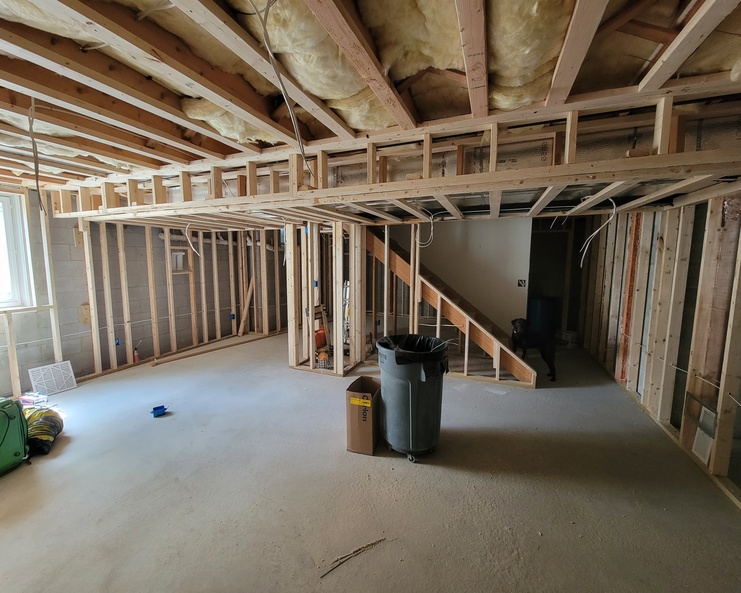
Basement renovations can transform unused space into your home’s most versatile area. Whether you envision a cozy family room, home office, or guest suite, proper preparation sets the foundation for success. Keep reading to understand what to know before renovating your basement to guarantee project success.
Your Basement’s Current Condition
First, you’ll want to assess the current condition of your basement to determine what work it needs—foundational and cosmetic. For example, there are many benefits to waterproofing your basement if it has moisture issues, and it will prevent issues like water stains, musty odors, and more. Inspect the foundation walls for cracks larger than a quarter inch, as they may signal structural problems that require expert evaluation.
Also, ensure your home’s systems can support the renovation. Test the electrical panel’s capacity for added lighting, outlets, and appliances, as older homes often need upgrades.
Your Project Goals
Successful basement renovations start with clear, realistic goals that fit your family’s needs and lifestyle. What do you primarily want your new basement to be? There are plenty of creative uses for a renovated basement, from entertainment spaces to rental suites.
Prioritize your must-have features over nice-to-haves to focus on the essentials if unexpected costs or delays arise. Basements often reveal hidden issues that can require budget adjustments, so plan accordingly. Clear goals and flexibility will keep your renovation on track with your long-term needs.
Your Budget
Basement renovations are scary propositions for many homeowners because they’re not sure what they’ll find once they start demolition. It’s always best with projects such as these to create a clear, realistic budget, and then add some extra as a contingency plan for surprises as they come along. Break your budget into key categories such as moisture control, electrical and plumbing work, insulation, flooring, walls, and finishing touches, prioritizing safety and structural needs over aesthetics.
If your budget is tight, consider completing the project in phases. Start with essential tasks like moisture remediation and major system upgrades, then add finishing touches as funds allow.
What Permits You Need
Another thing to know before renovating your basement is what permits you’ll need. Many basement projects require work permits, especially if you’re adding bathrooms, bedrooms, or making any electrical changes. Contact your local building department early to understand specific requirements, as permit applications typically need precise plans for electrical layouts, plumbing, and structural modifications.
While the process may seem tedious, it helps catch potential issues before they become costly mistakes. Be aware of specific regulations for basement bedrooms, such as window size for emergency egress and minimum ceiling height, as these impact your design. Also, factor permit fees and approval timelines into your schedule, which can vary depending on location and project scope.
Create Your Action Plan
With a clear understanding of your basement’s condition, goals, budget, and permits, you can move forward confidently. Apply for permits early, as approvals can take weeks or months, and use the waiting period to finalize materials, compare contractor bids, and refine your timeline. With these key points of your action plan complete, your basement renovation is sure to be a success!