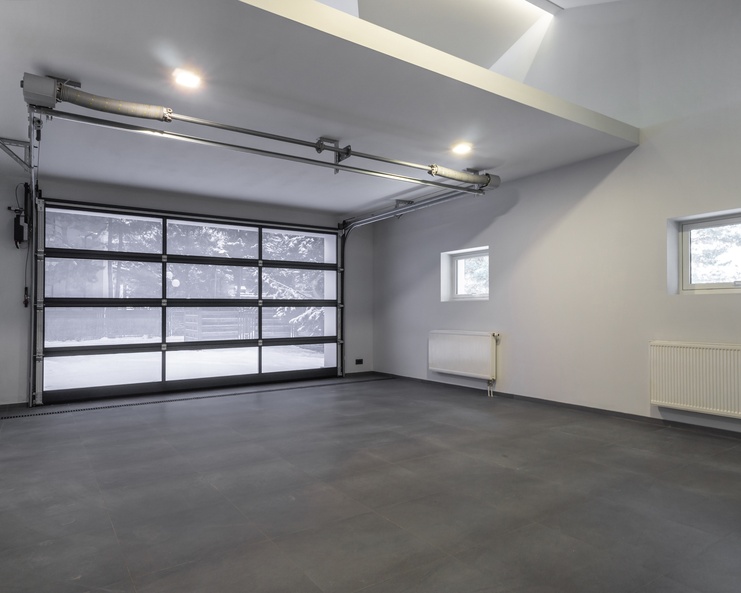
A garage can do much more than store tools, bikes, boxes, and the mystery items no one wants to sort through. For many homeowners, it can become a guest suite, rental space, home office, or private place for a family member to live nearby.
Converting a garage into an additional dwelling unit (ADU) is an exceptional way to add more living space to your property, but it does come with some drawbacks. Below, we take a closer look at the pros and cons of converting your garage into an ADU.
What Makes a Garage ADU Appealing
The biggest perk is usable living space. Instead of building an addition from scratch, you start with a structure that already exists. That can make the project feel more manageable, especially if your garage already has decent framing, access, and a layout that works for a small home.
A garage ADU can also support different seasons of life. There are many ways to make the most of your garage, from a home office to a man cave and more.
The Financial Upside
An ADU can create income if local rules allow long-term rentals. It may also increase property appeal because buyers like flexible spaces. A finished unit with a bathroom, kitchenette, sleeping area, and private entry can feel much more useful than an unfinished garage.
That said, the numbers must make sense. Homeowners should compare the project cost with possible rent, future resale value, and how long they plan to stay in the home. A smaller project can still become expensive once plumbing, electrical work, insulation, windows, heating, cooling, and finishes enter the picture.
The Drawbacks to Think Through
While there are many pros to converting your garage into an ADU, there are also some cons to consider. For one, an ADU can remove storage and parking space. That might sound minor at first, but it can affect daily life. Garden supplies, sports gear, tools, holiday decorations, and cars all need somewhere to go.
Converting your garage into an ADU is also not as simple as putting in some new floors and furniture. Permits can also shape the project from the start. Rules may cover ceiling height, setbacks, parking, entrances, fire safety, utilities, and occupancy.
Comfort Matters More Than Square Footage
A garage was not originally built as a living room, bedroom, or tiny apartment. That means comfort takes real planning. Good insulation, moisture control, natural light, ventilation, and sound separation can make the difference between a space people tolerate and one they enjoy.
Privacy matters, too. Think about where the entry sits, how it’ll share outdoor space, and whether noise will travel between the main home and the ADU. A smart layout can help everyone feel comfortable without stepping on each other’s routines.
Is It the Right Move for Your Home?
A garage ADU can be a brilliant upgrade when the space, budget, and local rules line up. It can bring extra income, more room for family, and better use of an underused part of the home.
It can also bring stress if you rush the planning. Before committing, look at how you use your garage now, what you can afford, and what your home genuinely needs.