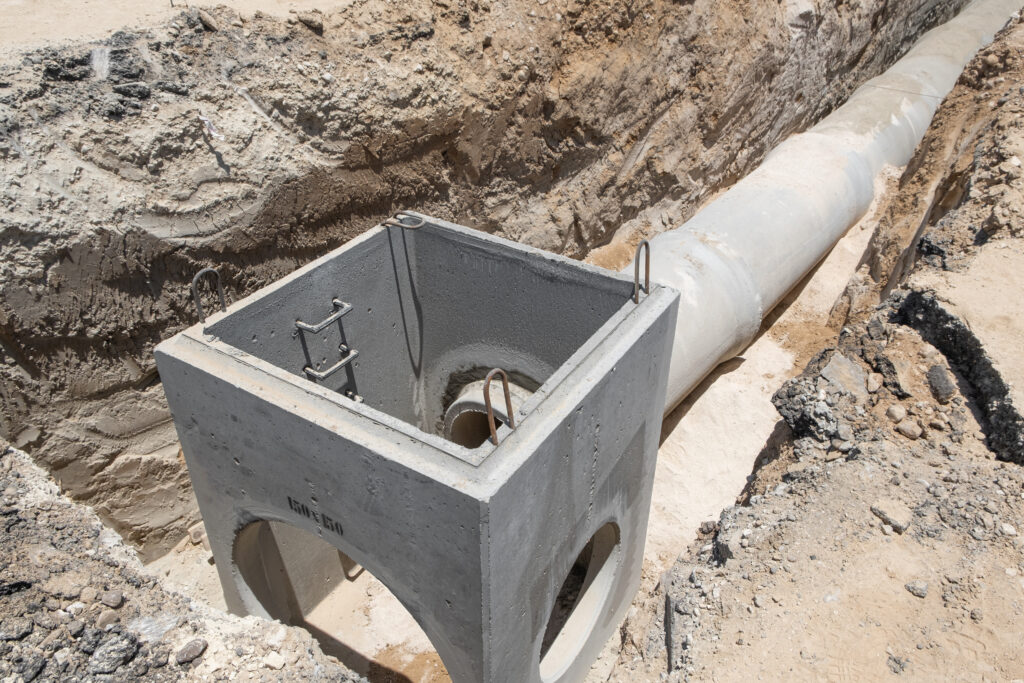
One thing homeowners don’t think about when they’re purchasing their home is the municipal sewer system. Understanding municipal sewer pipes and their significance can save homeowners from potential headaches and costly repairs down the line. This blog post aims to provide new homeowners with information they should know about municipal sewer pipes.
The Role of Municipal Sewer Systems
Municipal sewer systems play a crucial role in maintaining public health and sanitation. These systems transport wastewater from homes to treatment facilities. It’s gross to think about, but the job is important. Understanding how these systems work is vital for homeowners, as any issues can directly impact their property and daily living.
Common Issues Homeowners Face
There are different challenges you could face as a homeowner with municipal sewer lines. One common problem is blockages, which can occur due to debris, grease buildup, or tree roots infiltrating the pipes. These blockages can lead to slow drains, backups, and unpleasant odors. These problems are why it’s important not to dump grease and food waste down your drain.
Another issue is pipe corrosion or deterioration, which can result in leaks or even pipe bursts. No homeowner wants to deal with this. Identifying these issues early on prevents further damage and costly repairs.
You can check out the community to see if you find visible sewer system issues. Do you see mature trees that could ruin the pipes? It’s most likely not something you thought about when buying the home, but surveying the neighborhood is a good house-buying tip. This tip can save you from a headache down the road.
Identifying Sewer Line Problems
Recognizing the signs of sewer line problems is essential. Slow drains, gurgling sounds, foul odors, and wet spots in the yard are all indicators of potential issues. Additionally, if multiple drains in the house clog at the same time, it may point to a more significant problem in the main sewer line. When these signs appear, seek professional help promptly to diagnose and address the issue before it worsens.
Different Types of Sewer Pipes
There are various types of municipal sewer pipes. Knowing the kind of sewer pipes in your home can help you understand their longevity and potential issues. Common materials include clay, cast iron, PVC, and, more recently, HDPE. Clay pipes, for example, are durable but susceptible to root intrusion, while PVC pipes are resistant to corrosion but can be prone to cracking under pressure.
The Importance of Regular Maintenance
Regular maintenance of sewer lines is essential to prevent major issues and extend the life of the pipes. This maintenance involves periodic inspections, professional cleaning, and addressing minor problems before they escalate.
By staying proactive, homeowners can save themselves from unexpected and costly repairs. Utilize techniques like hydro-jetting to effectively remove debris and buildup, ensuring the smooth flow of wastewater. Your home will thank you.
Understanding municipal sewer systems and the different types of sewer pipes is crucial for any homeowner. By staying informed and taking proactive measures, homeowners can avoid many common issues associated with sewer lines. Regular maintenance, prompt identification of problems, and seeking professional help when needed are key steps in ensuring the longevity and functionality of your home’s plumbing system. Being proactive today can save you significant time and money.