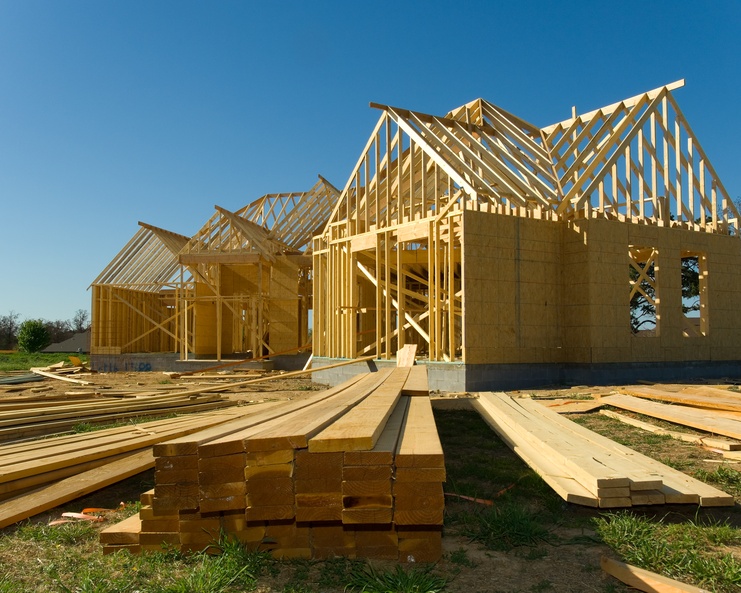
Building a new home is an exciting and complex journey. It presents a unique opportunity to create a living space perfectly tailored to your needs and dreams. From choosing the location to picking out the final finishes, every decision shapes your future sanctuary. To ensure the process goes smoothly, you must carefully plan each step before breaking ground.
Finding the Perfect Location
Your home’s location affects everything from your daily commute to your lifestyle. Before you purchase land, research the neighborhood thoroughly. Consider the quality of local schools and proximity to work, shopping, and healthcare facilities.
Think about the community’s atmosphere and whether it aligns with your preferences. Visiting the area at different times of the day can provide a clearer picture of traffic patterns and neighborhood activity, ensuring you make a choice you will love for years to come.
Setting a Realistic Budget
A detailed budget is the backbone of your home-building project. Start by securing pre-approval for a construction loan to understand your financial limits. Your budget should account for the cost of the land, building permits, architectural design fees, materials, and labor. You should also set aside a contingency fund, typically 10–20 percent of the total cost, to cover unexpected expenses that may arise during construction. Tracking your spending closely will prevent financial stress and keep the project on track.
Designing a Functional Floor Plan
The layout of your home should reflect how you live. Think about your family’s daily routines and future needs. Do you need an open-concept living area for entertaining, or do you prefer more defined, private spaces? Consider the number of bedrooms and bathrooms, the size of the kitchen, and the amount of storage you will require. Working with an architect or designer can help you translate your vision into a functional and efficient floor plan that serves your family well.
Preparing the Site for Construction
Before construction can begin, you must properly prepare the land. A well-prepared site prevents future structural issues and drainage problems. For a stable foundation and proper water runoff, you need excavation and grading. This process involves clearing the land, leveling the ground, and preparing the site for the foundation. Proper site preparation is a critical investment in your home’s long-term safety and stability.
Planning for a Lasting Exterior
The exterior of your home is the first impression it makes. When selecting materials, consider both aesthetics and durability. Choose siding, roofing, and windows that can withstand your local climate. Additionally, thoughtful landscape design can significantly enhance your property. Incorporating native plants, walkways, and outdoor living areas will maximize your home’s curb appeal and create a welcoming environment for your family and guests.
Your Path to a Dream Home
Building a home is a significant undertaking, but with careful planning, it can be a deeply rewarding experience. By considering the location, budget, design, and site preparation, you set the stage for a successful build. Each decision you make brings you one step closer to living in a space created just for you.