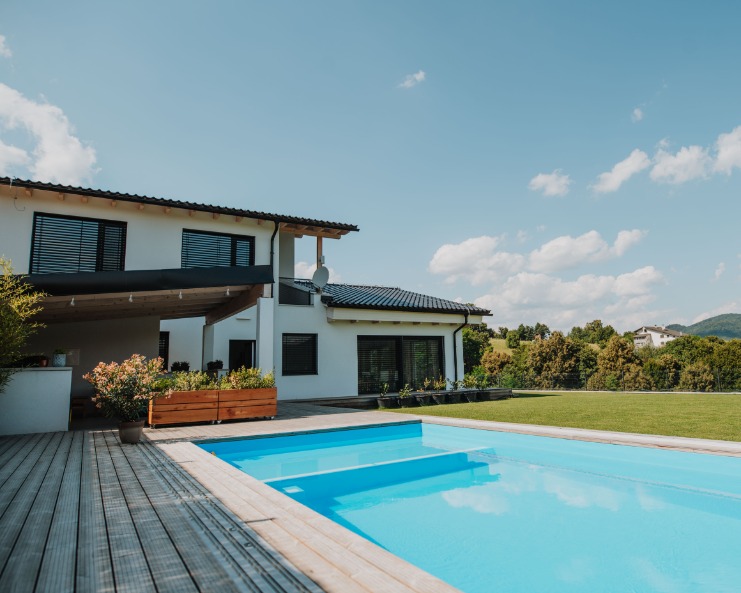
A backyard should be somewhere you can relax, enjoy the fresh air, and spend time with family and friends. But when you’re constantly mowing, watering, weeding, or fixing things, it can start to feel like a never-ending chore.
The good news is that making your backyard more efficient and low-maintenance doesn’t mean sacrificing style or comfort. With a few thoughtful changes, you can make your outdoor space easier to manage, more practical, and even more environmentally friendly.
Choose Plants That Don’t Need Constant Attention
One of the easiest ways to reduce backyard maintenance is to be more selective about what you plant. While colorful flower beds and perfectly trimmed hedges look lovely, some plants require a surprising amount of attention. Regular watering, pruning, fertilizing, and pest control can quickly take up your weekends.
Instead, consider plants that naturally thrive in your local climate. Native plants are a good starting point because they’re adapted to regional growing conditions. Once established, many need less watering and general care than plants that struggle in the local environment.
Before buying anything, check how much sunlight your garden receives and whether the soil drains well. Choosing the right plants for the right spot can save plenty of work later.
Reduce the Amount of Lawn You Need To Maintain
A lush green lawn looks beautiful, but keeping it that way requires regular mowing, watering, fertilizing, and dealing with weeds. If you’re spending more time maintaining your grass than enjoying it, consider reducing the amount of lawn in your backyard.
You don’t need to remove it completely. Even replacing a small section with gravel, paving, or a planted border can make a noticeable difference. For example, you could turn an awkward corner into a seating area or replace a narrow strip of grass with stepping stones surrounded by hardy plants.
Mulched garden beds are another practical option. A suitable layer of mulch helps retain soil moisture, reduce weed growth, and protect plant roots from temperature extremes. Just remember to leave some space around tree trunks and plant stems to prevent moisture-related problems.
Make the Swimming Pool Easier To Maintain
If your backyard includes a swimming pool, it’s worth looking at how efficiently it operates. Pools can require considerable attention, from cleaning and checking water chemistry to running pumps and managing heating costs. However, the right upgrades make routine maintenance more manageable.
Variable-speed pumps, for example, operate at lower speeds during normal circulation, potentially reducing electricity consumption compared with traditional single-speed models. Pool covers are another useful addition. They help limit evaporation, keep leaves and debris out of the water, and reduce heat loss when the pool isn’t being used.
For homeowners considering larger improvements, eco-friendly upgrades for swimming pools can play a part in making an existing or newly designed pool more sustainable. Automatic cleaners may also reduce the amount of manual vacuuming required, although regular water testing and equipment checks are still important. A pool will always need some attention, but thoughtful upgrades reduce work and running costs.
Use Durable Materials for Outdoor Features
When choosing materials for patios, pathways, decking, and garden furniture, it’s tempting to focus entirely on appearance. However, how well those materials hold up over time is just as important. Some surfaces require frequent staining, sealing, painting, or repairs, especially when exposed to rain, strong sunlight, and changing temperatures.
Choosing materials suited to your climate reduces that maintenance burden. Composite decking, for example, generally doesn’t require the regular staining associated with traditional timber decking, although it still needs cleaning. Stone and concrete paving can also be practical choices for pathways and seating areas, provided they’re installed with suitable drainage and a stable base.
For outdoor furniture, look for weather-resistant materials and cushions with removable, washable covers. Spending a little more time comparing materials before starting a project can help you avoid additional maintenance later.
Create Practical Zones for Different Activities
A backyard often becomes harder to manage when everything is squeezed together without much planning. Creating separate areas for relaxing, dining, gardening, and children’s activities makes the space more functional.
For example, keeping outdoor dining furniture close to the house makes carrying food and drinks easier. Placing a storage box near the garden or patio means tools, cushions, and outdoor toys have somewhere convenient to go. Raised garden beds make planting and harvesting more comfortable, particularly when designed at a suitable working height.
Think about how you actually use your backyard rather than how you think it should look. A simple layout that suits your daily routine will be more useful than an elaborate design that requires constant attention.
Don’t Forget About Drainage and Regular Checks
Even the most attractive backyard can become difficult to maintain if water collects in the wrong places. Poor drainage can lead to muddy lawns, damaged plants, slippery pathways, and moisture problems around outdoor structures.
Before making major landscaping changes, pay attention to where rainwater flows and whether certain areas remain wet long after rainfall. Solutions might include adjusting the slope of a garden bed, installing suitable drainage channels, or choosing permeable paving where conditions allow.
It’s also worth remembering that maintenance doesn’t end once an outdoor project is finished. Small issues can develop over time, particularly around drainage, lighting, fences, and paved surfaces. Many of the things homeowners overlook after completing a backyard upgrade are easier to address when they’re spotted early rather than left to become bigger problems.
Make Small DIY Improvements That Save Time
Not every backyard improvement needs to involve a large renovation or expensive equipment. Sometimes, the simplest DIY projects make the biggest difference to everyday upkeep.
Installing wall-mounted hooks in a shed can keep tools organized and off the floor. Adding edging around garden beds can help prevent grass from spreading into planting areas. A dedicated composting space can also make it easier to manage suitable garden waste while producing useful material for your soil.
Outdoor lighting is another area worth considering. Solar-powered pathway lights provide gentle illumination without the need for additional electrical wiring, although performance depends on sunlight and battery condition.
Creating a Backyard That Works for You
Making your backyard more efficient and low-maintenance is really about making smarter choices rather than eliminating every outdoor chore. Choosing suitable plants, reducing lawn space, improving water efficiency, and investing in durable materials can all make a difference.
Most importantly, your backyard should suit your lifestyle. There’s little point in creating an elaborate garden if you’d rather spend your weekends reading, entertaining friends, or simply enjoying the sunshine. With a bit of planning and a few practical upgrades, you can spend less time looking after your outdoor space and more time enjoying it.