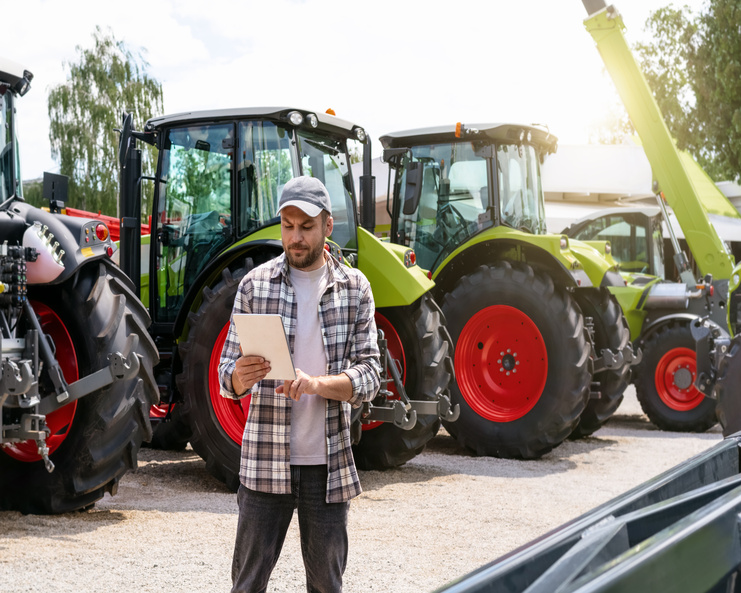
Are you considering purchasing a backhoe, skid steer, mini excavator, or any other piece of heavy equipment for your home? Heavy equipment can help you tackle big landscaping projects, save on rental costs, and even boost your property’s value. But before you hand over your cash, use this blog to learn what you should know before buying heavy equipment.
Start by Defining Your Needs
Ask yourself what projects you want to complete. Are you planning to create your dream home? Or, are you building a backyard pool, clearing an area of land, or installing a new driveway?
By understanding your goals, you can choose the right type of machinery for the job and avoid buying something oversized or overpowered for your needs.
Check the History and Condition
Before making any purchases, always inspect used equipment for wear and tear. Look for leaks, cracks, strange noises, or rust.
If possible, ask for maintenance records. If the equipment has clean oil, recently replaced filters, and solid hydraulics, these are all good signs. Test all controls before committing and, if you’re feeling unsure, don’t hesitate to bring in a trusted mechanic.
Don’t Overlook Storage
A common mistake is ignoring where and how you’ll store your equipment. However, storing your heavy equipment properly is nonnegotiable as failure to do so can cause damage. For example, leaving a skid steer outside in the elements can shorten its lifespan significantly.
Instead, prepare a secure, weatherproof spot like a garage, sturdy shed, or a custom tarp shelter. Just make sure the ground is level and drains well to avoid rust or mechanical issues caused by standing moisture.
Remember the Extras
Factor in insurance, delivery fees, and maintenance costs. Also, depending on local regulations, you may need permits. To add flexibility and value to your equipment, don’t forget about attachments or accessories.
When you know exactly what to look for, buying heavy equipment can make big jobs easier and might save you money in the long run. Plan your purchase carefully, inspect what you buy, and give storage some real thought. Remember, doing your homework now means your equipment will serve you for a long time.